With the growing demand for efficient and controlled access solutions across healthcare, commercial, and industrial sectors, the role of sliding door manufacturers has evolved significantly. Today, a sliding door system is not just an entry solution but an integral part of infrastructure that supports hygiene, safety, and operational efficiency.
When selecting a system for commercial or specialized environments, it is important to evaluate certain features that align with the intended application. Whether it is for healthcare facilities, cleanrooms, or industrial spaces, understanding these factors can help in making an informed decision as part of a structured door buying guide.
1. Type of Sliding Door System and Application Fit
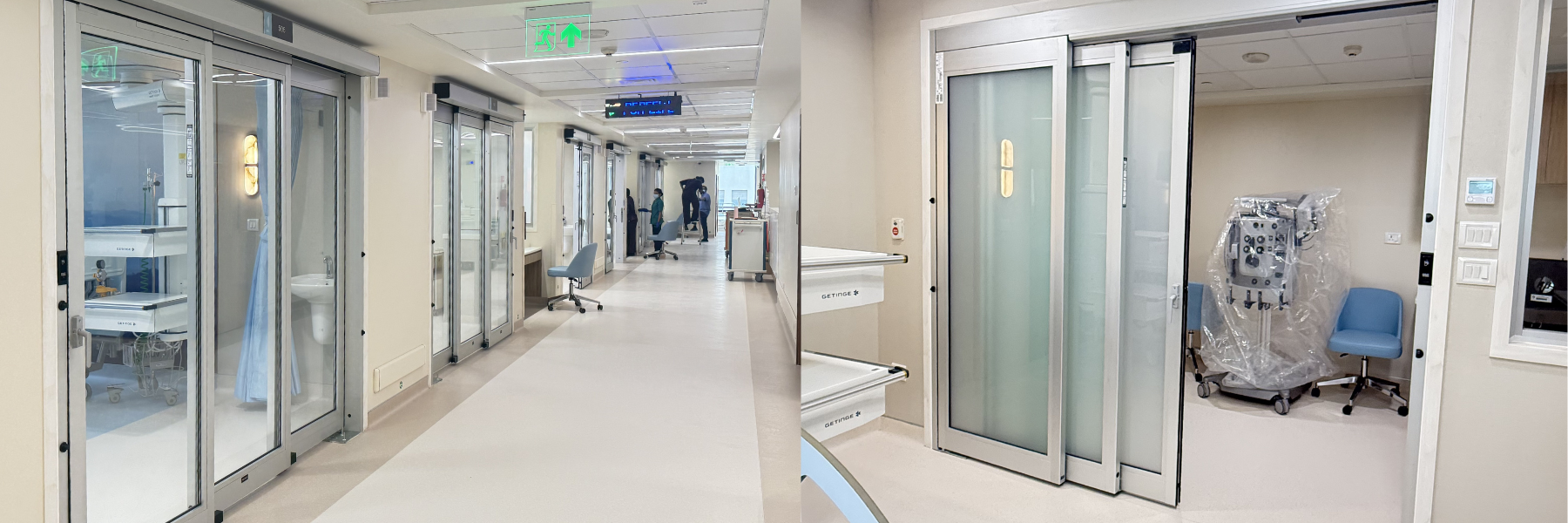
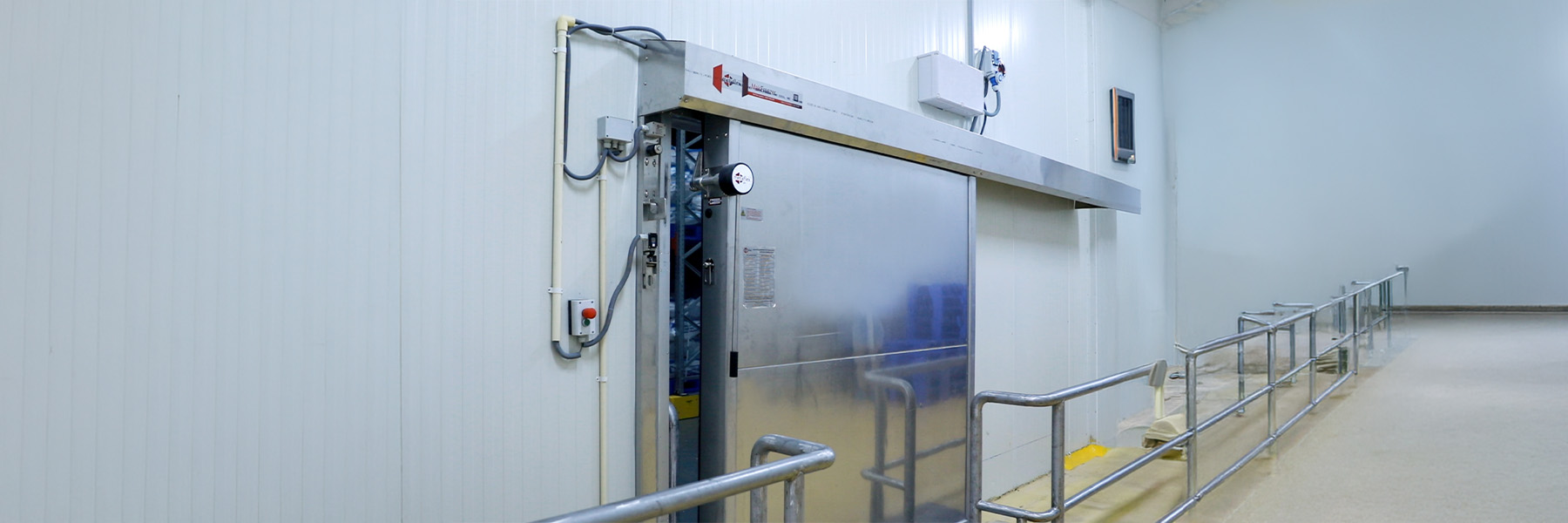
The first consideration is the type of sliding door system and how it aligns with the environment where it will be installed. Sliding doors are used across a range of sectors, including hospitals, laboratories, cold storage facilities, and commercial buildings.
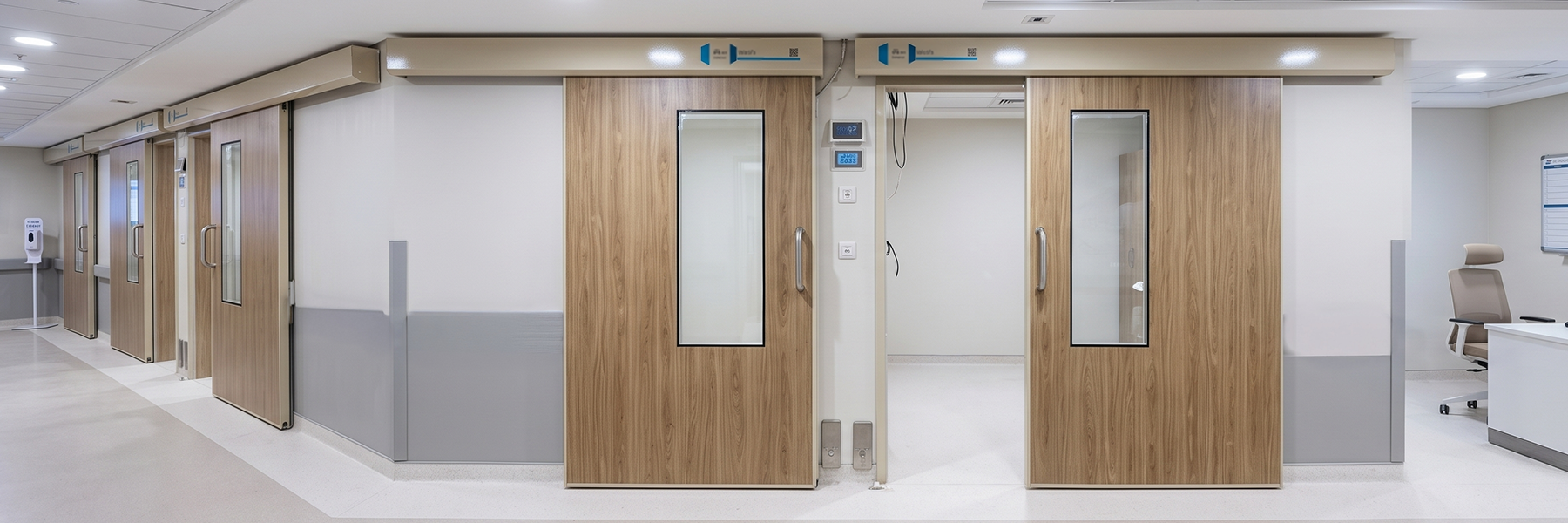
For example, in healthcare environments, sliding doors are often designed for controlled areas such as operating rooms and cleanrooms. In such cases, doors may include hermetic sealing to maintain internal conditions.
Understanding the application helps ensure that the door system is compatible with the operational requirements of the space.
2. Safety Features and Compliance
Safety is a key factor when evaluating commercial doors, especially in high-traffic environments. Modern sliding doors can be equipped with safety features such as sensors and obstacle detection systems.
Automatic sliding doors can include safety sensors that detect movement and ensure safe operation, particularly in environments with frequent pedestrian or equipment movement.
In addition, compliance with standards such as EN 16005 ensures that the door system operates within defined safety parameters.
3. Automation and Control Systems
Another important aspect in a door buying guide is the level of automation. Sliding doors can be manual or automated, depending on the requirements of the facility.
Automation systems such as controllers, motors, and power supply units work together to enable smooth opening and closing. These systems are designed for continuous commercial use and can be configured for different operational needs.
Advanced automation systems also include features such as self-learning or auto-setup capabilities, allowing the system to adapt over time and maintain consistent performance.
4. Airtight Sealing and Environmental Control
In many applications, especially in healthcare and cleanrooms, maintaining controlled environments is essential. Sliding doors designed with hermetic sealing create a barrier that limits the passage of air, dust, and moisture.
Hermetic doors are engineered to provide airtight and gas-tight sealing, supporting environments that require strict control over air movement and contamination.
This feature is particularly relevant in spaces such as operating rooms, laboratories, and pharmaceutical facilities, where environmental stability is a priority.
5. Material and Finish Options
The materials used in a sliding door system can vary depending on the application. Doors are available in finishes such as stainless steel, coated metals, and high-pressure laminates.
These material options allow the door to align with requirements related to hygiene, durability, and aesthetics. For example, smooth and seamless finishes are often preferred in healthcare environments as they support easy maintenance and cleaning.
Selecting the appropriate material ensures that the door system is suited to the conditions in which it will operate.
6. Integration with Building Systems
Modern commercial doors are often part of larger building systems. Sliding doors can be integrated with access control systems, sensors, and building management systems to support coordinated operation.
Automation systems offer connectivity options such as WLAN, USB, CAN, and LAN, enabling seamless integration with existing infrastructure.
This integration allows door systems to function as part of a broader smart building solution, where access, safety, and operational efficiency are interconnected.
7. Customization and Flexibility
Customization is another important factor when selecting sliding door manufacturers. Different projects require different specifications in terms of size, configuration, and additional features.
Sliding doors can be customized to include features such as sound reduction, fire resistance, or radiation protection, depending on the application.
In addition, options such as sensors, control interfaces, and activation methods allow the system to be tailored to specific operational needs.
This flexibility ensures that the door system aligns with both functional and architectural requirements.
Understanding the Importance of a Structured Door Buying Guide
Selecting the right sliding door system involves evaluating multiple factors rather than focusing on a single feature. A comprehensive door buying guide helps ensure that all aspects, including safety, automation, material, and customization, are considered.
For commercial and industrial applications, the choice of door system can influence workflow, environmental control, and overall efficiency. By assessing these features, businesses can ensure that the selected solution aligns with their operational needs.
Conclusion
The growing demand for advanced access solutions has led to the development of specialized offerings by sliding door manufacturers. From automation and safety features to airtight sealing and customization, modern sliding door systems are designed to support a wide range of applications.
For buyers evaluating commercial doors, understanding these key features provides a structured approach to decision-making. Whether used in healthcare, industrial, or commercial environments, a well-designed sliding door system plays an important role in supporting functionality, safety, and efficiency.
As infrastructure continues to evolve, the importance of selecting the right door system remains closely linked to how effectively it aligns with the specific requirements of the space.