Why Automatic Sliding Doors Are Essential for Modern Hospitals
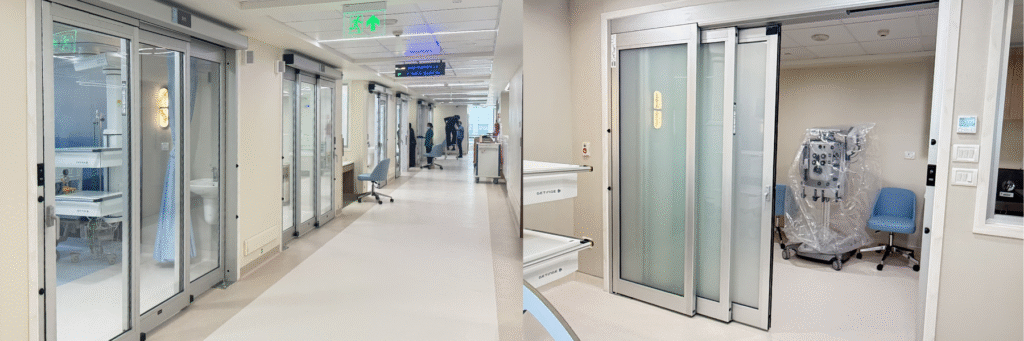
Healthcare environments are designed around one critical priority: patient safety. From operating theatres and ICUs to outpatient departments and emergency entrances, every element within a hospital must support hygiene, efficiency, and seamless movement. In recent years, hospitals across the world have increasingly adopted the automatic sliding dooras part of this transformation. What was once considered a convenience feature is now becoming a standard requirement in modern healthcare infrastructure.
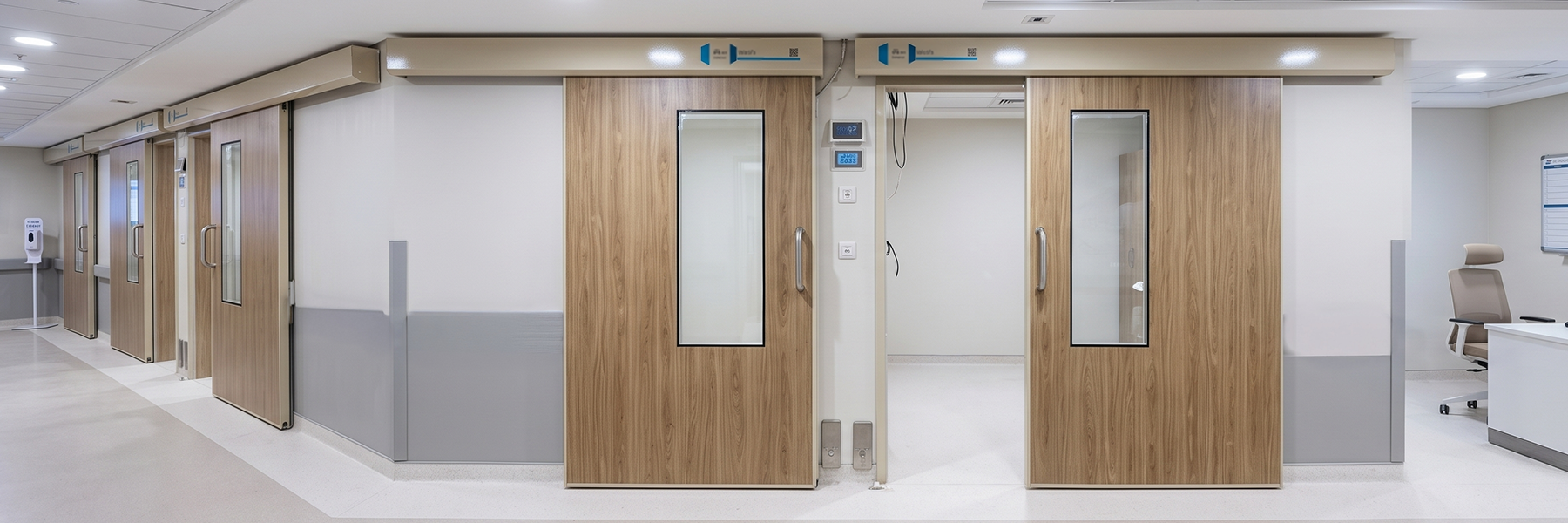
The growing focus on infection prevention, touchless access, patient comfort, and operational efficiency has accelerated the demand for advanced automatic door systems in hospitals. As healthcare facilities continue to modernize, theautomatic sliding door for hospital environments is proving to be an essential component of safe and hygienic design.
One of the biggest reasons behind this shift is the increased emphasis on infection prevention and control. According to the World Health Organization, proper hand hygiene is one of the most effective measures to reduce the transmission of harmful microorganisms in healthcare settings. WHO also states that contaminated hands are among the primary pathways for germ transmission within hospitals.
Traditional manual doors require frequent physical contact. Patients, visitors, nurses, doctors, and support staff continuously touch door handles and push plates throughout the day. In a high-traffic healthcare environment, these surfaces can quickly become points of contamination. The Centers for Disease Control and Prevention has repeatedly highlighted the importance of cleaning and disinfecting frequently touched surfaces in healthcare facilities to reduce healthcare-associated infections.
This is where an automatic sliding door offers a major advantage. By eliminating the need for physical contact, touchless entry significantly reduces the risk of cross-contamination between individuals moving through hospital spaces. Motion sensors and intelligent activation systems allow doors to open automatically, creating a safer and more hygienic environment for everyone inside the facility.
The COVID-19 pandemic further accelerated the adoption of touchless technologies in healthcare settings. Hospitals became more conscious than ever about minimizing shared touchpoints. WHO guidance during the pandemic emphasized how contaminated hands and surfaces contribute to indirect contact transmission of viruses and pathogens. As a result, many healthcare facilities upgraded their entrances and internal access systems to include automatic door systems that support safer movement without unnecessary contact.
Apart from hygiene, another important reason hospitals are choosing automatic sliding doorsis accessibility. Hospitals accommodate people with varying mobility needs every single day. Patients on stretchers, wheelchair users, elderly visitors, healthcare staff carrying medical equipment, and emergency teams all require smooth and obstruction-free movement.
Manual doors can become difficult to operate in busy healthcare environments, especially during emergencies. Automatic sliding door systems allow effortless access without requiring physical force. Their wide openings and smooth operation support the fast movement of beds, wheelchairs, and medical carts while improving overall patient experience.
Accessibility is very important in emergency departments, diagnostic areas, operation theatres, and intensive care units where delays can impact patient care. By reducing physical barriers, hospital automatic door systems help healthcare teams move quickly and efficiently while ensuring comfort and convenience for patients.
Another key factor driving this transition is workflow optimization. Hospitals are highly dynamic environments with constant movement between departments. Delays caused by manual door operation can interrupt workflows, particularly in critical care zones where time-sensitive actions are routine.
Automatic sliding doors improve traffic flow by enabling uninterrupted movement throughout the facility. Staff members transporting patients or equipment can move efficiently without stopping to manually open or close doors. In emergency situations, this seamless operation can save valuable seconds.
Modern automatic door systems are also integrated with smart sensors and safety mechanisms that detect movement and prevent accidental closure. This is very important in healthcare settings where patient safety is priority. Advanced systems can be customized to suit different operational requirements, including controlled access areas, hermetically sealed rooms, cleanrooms, and radiation-protected spaces.
In specialized healthcare environments such as operating rooms and isolation units, maintaining controlled airflow and pressure conditions is essential. Automatic sliding doors for hospital applications often include airtight sealing capabilities that help support sterile conditions and environmental control. These features are especially important in infection-sensitive zones where contamination control is critical.
Energy efficiency is another major benefit influencing hospital infrastructure decisions. Healthcare facilities operate continuously, making energy consumption a significant operational expense. Poorly managed entrances can lead to substantial energy loss due to uncontrolled air exchange.
Automatic sliding doors help maintain indoor temperature stability by opening only when required and closing promptly after passage. This reduces the load on HVAC systems and supports energy-efficient hospital operations. Industry experts note that automatic doors contribute to better climate control while reducing heating and cooling losses.
For hospitals aiming to achieve sustainability goals and reduce operational costs, installing efficient automatic door systems becomes a practical long-term investment. Beyond energy savings, these systems also contribute to improved indoor comfort for patients and healthcare professionals.
Noise reduction is another often overlooked advantage of automatic sliding doors in healthcare environments. Hospitals require a calm and controlled environment, particularly in recovery wards, neonatal units, ICUs, and consultation areas. Unlike traditional hinged doors that may slam or create disruption, sliding door systems operate smoothly and quietly, helping maintain a peaceful atmosphere.
The design flexibility of automatic sliding doors also makes them suitable for modern healthcare architecture. Hospitals today are focusing not only on functionality but also on creating welcoming and patient-friendly environments. Sleek, space-saving sliding door systems support contemporary healthcare design while maximizing usable space in corridors and entrances.
Additionally, advanced automatic door systems can be integrated with hospital security and access control systems. Sensitive zones such as ICUs, laboratories, pharmacies, and restricted medical areas often require controlled entry. Automated doors equipped with access readers, sensors, and monitoring systems help hospitals maintain security while ensuring smooth movement for authorized personnel.
Reliability is another reason why hospitals prefer modern automatic sliding doors. Healthcare environments demand systems that can perform consistently under heavy usage. High-quality hospital automatic door systems are engineered for continuous operation, durability, and minimal downtime. Their robust design allows them to withstand constant traffic while maintaining performance and safety standards.
Maintenance and hygiene management are also simplified with modern automatic sliding doors. Because there are fewer touchpoints, cleaning teams can more effectively manage sanitation protocols. Some systems even feature antimicrobial surfaces and specialized materials designed for healthcare environments.
Globally, healthcare infrastructure standards continue to evolve toward smarter, safer, and more hygienic facilities. Infection prevention strategies are no longer limited to medical procedures alone; they now extend to architectural and operational design choices as well. Door systems, ventilation, surfaces, and movement patterns all play an important role in creating safer healthcare spaces.
As hospitals continue investing in patient-centric infrastructure, the automatic sliding dooris becoming more than just an entrance solution. It is now an integral part of healthcare efficiency, hygiene management, accessibility, and operational safety.
For healthcare architects, facility managers, and hospital administrators, choosing the right automatic door system is a strategic decision that directly impacts patient experience and infection control outcomes. Whether installed at the main entrance, emergency room, ICU, operating theatre, or diagnostic wing, automatic sliding doorscontribute to smoother operations and safer healthcare delivery.
The future of healthcare infrastructure will continue to prioritize touchless technologies and intelligent automation. In this evolving landscape, automatic sliding doors are set to remain a critical component of modern hospital design. Their ability to combine hygiene, convenience, accessibility, safety, and efficiency makes them an ideal solution for healthcare facilities aiming to meet the highest standards of patient care.As the demand for cleaner and smarter healthcare environments grows, hospitals worldwide are recognizing that investing in advanced automatic sliding door systems is not just about convenience. It is about creating safer spaces where patients, visitors, and healthcare professionals can move confidently and hygienically every day.
In modern commercial architecture, automatic sliding doors have become an essential part of everyday infrastructure. From hospitals, airports, malls, hotels, and office buildings to retail stores and public facilities, these systems are designed to improve accessibility, convenience, hygiene, and traffic flow. However, behind the smooth and effortless movement of an automatic door lies a highly […]
With the growing demand for efficient and controlled access solutions across healthcare, commercial, and industrial sectors, the role of sliding door manufacturers has evolved significantly. Today, a sliding door system is not just an entry solution but an integral part of infrastructure that supports hygiene, safety, and operational efficiency. When selecting a system for commercial […]
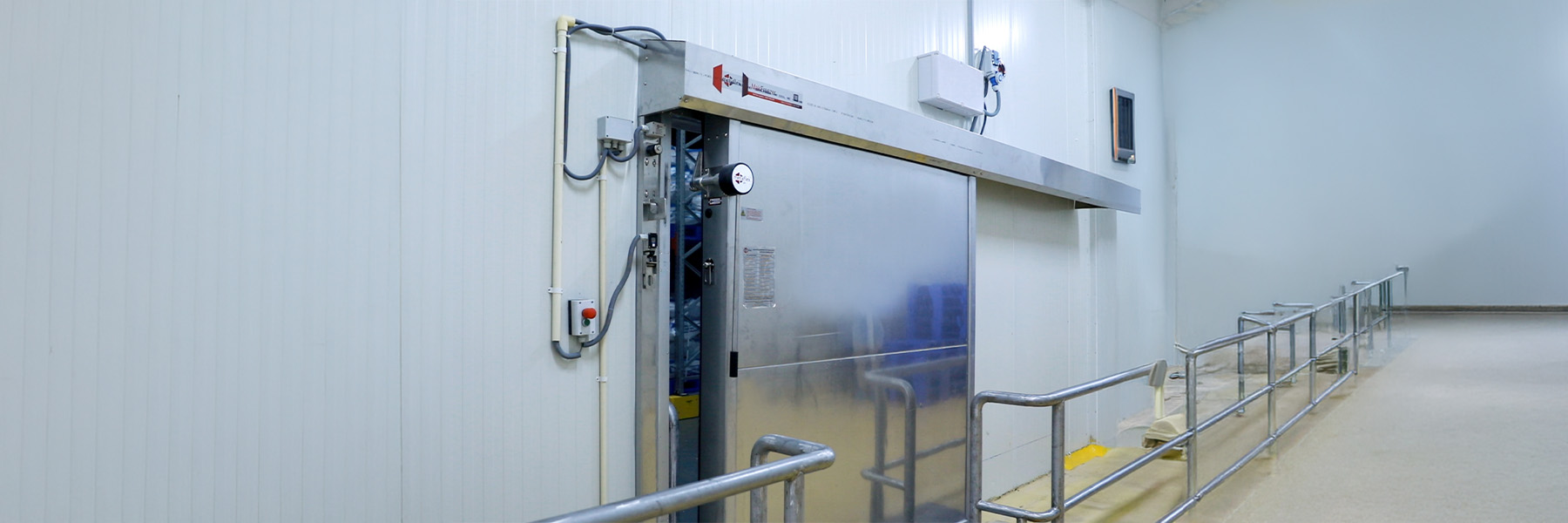
In modern infrastructure, energy efficiency has become an important consideration across sectors such as healthcare, cold chain, commercial buildings, and industrial facilities. As buildings continue to adopt more advanced systems, the role of access solutions has also evolved. An automatic sliding door system is no longer only about movement and convenience but is increasingly aligned […]
We use technologies like cookies to store and/or access device information. We do this to improve browsing experience and to show personalized ads. Consenting to these technologies will allow us to process data such as browsing behavior or unique IDs on this site. Not consenting or withdrawing consent, may adversely affect certain features and functions.
Functional
Always active
The technical storage or access is strictly necessary for the legitimate purpose of enabling the use of a specific service explicitly requested by the subscriber or user, or for the sole purpose of carrying out the transmission of a communication over an electronic communications network.
Preferences
The technical storage or access is necessary for the legitimate purpose of storing preferences that are not requested by the subscriber or user.
Statistics
The technical storage or access that is used exclusively for statistical purposes.The technical storage or access that is used exclusively for anonymous statistical purposes. Without a subpoena, voluntary compliance on the part of your Internet Service Provider, or additional records from a third party, information stored or retrieved for this purpose alone cannot usually be used to identify you.
Marketing
The technical storage or access is required to create user profiles to send advertising, or to track the user on a website or across several websites for similar marketing purposes.