
Smoke Seal Doors

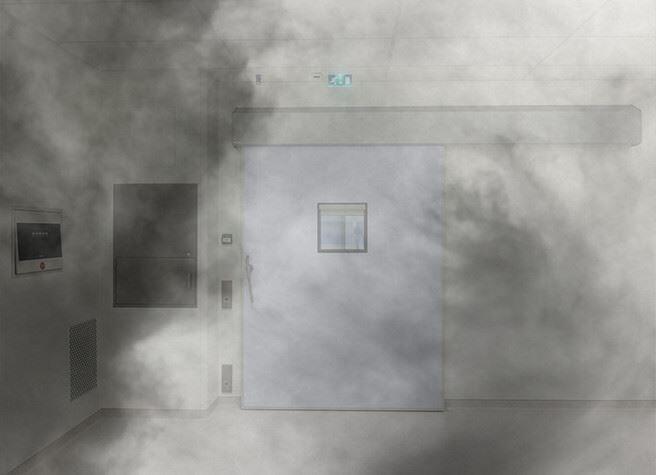
When fire starts in a building, the development of smoke often poses a greater threat than the fire itself. Smoke makes them disoriented which means they can no longer find their way out. For this, doors with smoke seal offer a solution.

  • Metaflex smoke seal doors are certified according the European standard: EN 1634-3

Are you curious to see how you can increase safety in your area? We are happy to work towards a solution with you.


View door systems

Information

Smoke seals doors

The legal requirements for the smoke resistance of doors have been tightened in recent years. Previously, the Dutch Building Decree 2012 applied, referring to the national standard NEN 6075. In that situation, doors and frames were tested only for fire resistance, and smoke resistance was derived indirectly by taking one and a half times the flame-tightness in minutes.

Since the introduction of the Environment and Buildings Decree (BBL), stricter and clearer requirements apply. The Dutch standard has been replaced by the European standard EN 1634-3, under which doors are specifically tested for smoke resistance. This has resulted in more stringent regulations and greater clarity about actual performance. In this test, smoke leakage is classified according to the Sa and S200 values.

Sa
For Sa, the smoke-permeability is tested at a room temperature of 20 °C. The so-called cold smoke resistance. The Sa requirement is applicable in case of partitions in a protected or extra protected escape routes.

S200
For S200, the smoke permeability is tested at a high temperature of 200 °C. This test for heat smoke resistance – the S200 requirement – will apply to partitions between a protected or extra protected escape route and a sub-fire compartment.

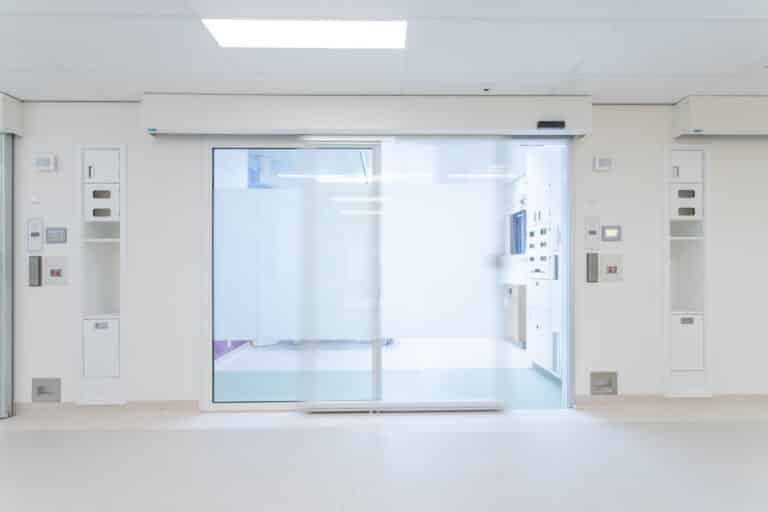
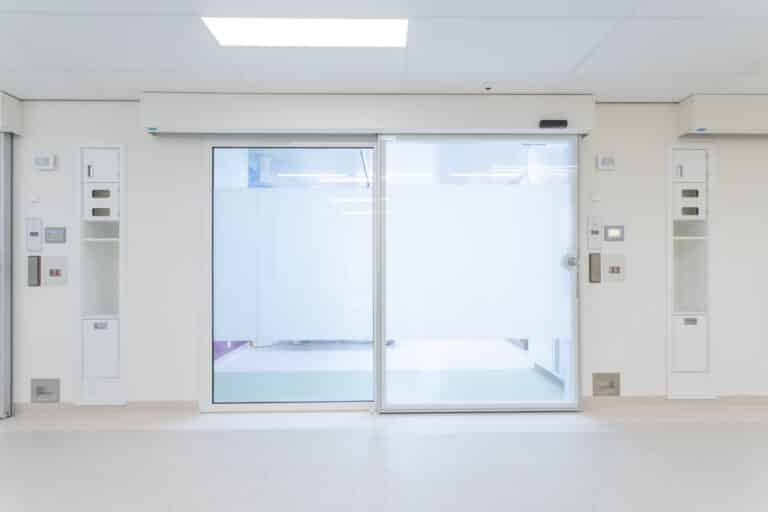
The smoke that is released in case of a fire transports a lot of heat which may cause respiratory problems. The smoke also creates reduced visibility and contains aggressive components. The Metaflex smoke-proof door seals the rooms and prevents that the smoke can escape from the burning room and has an EN1634-3 certificate, so that you can rely on this door in all situations.

Metaflex doors with smoke seal

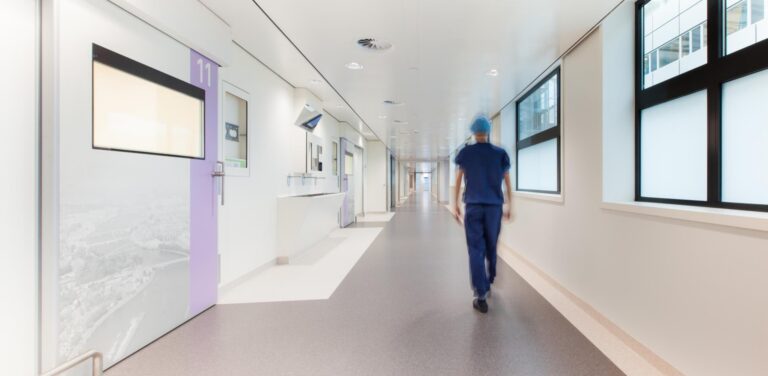
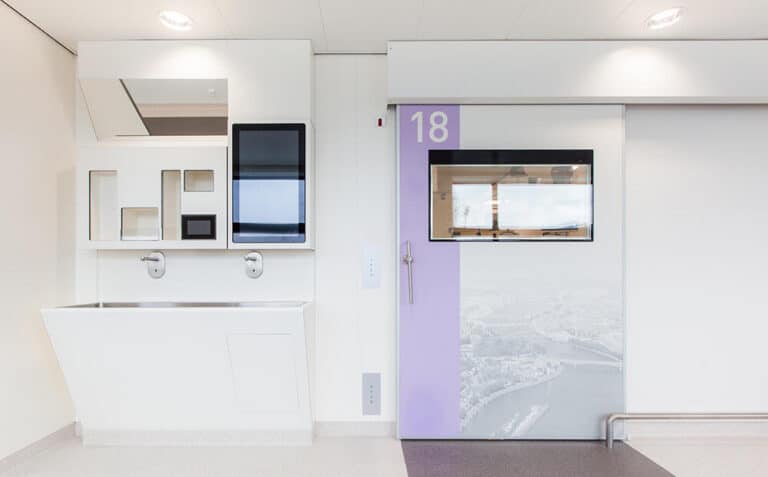
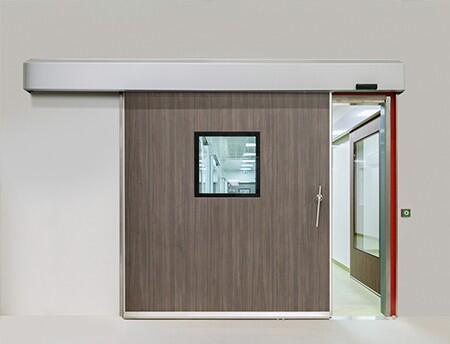
The Metaflex Medicare is one of the first doors that have been tested for smoke density in accordance with the new EN1634-3 standard and classified both after Sa and S200. This means that the door is also suitable for rooms that require a very high protection against smoke, for example because of the limited mobility of those present.

Features of the smoke seals door:

  • Tested according to the EN 1634-3 standard and certified for Sa; a Room temperature of 20 °C and a pressure difference of 25 Pascal maximum.
  • Tested according to the EN 1634-3 standard and certified for S200; a temperature of 200 °C and a pressure difference of 20 Pascal maximum.
  • Hermetically / airtight closing
  • In different sizes and many colours available
  • Available in automatic and/or manual operations.
  • If the door is connected to the fire alarm centre, it acts automatically in the case of a fire alarm.
  • Available in combination with fire resistance.


Frequently Asked Questions

A smoke-resistant door is designed to limit the spread of smoke between rooms in the event of a fire. Smoke resistance is tested and classified separately according to EN 1634-3, independent of fire resistance. This is important because smoke often poses a greater risk to occupants than fire itself.

Sa describes smoke resistance at ambient temperature, while S200 relates to smoke resistance at an elevated temperature of 200 °C. The required classification depends on the function of the space and its use, such as escape routes or occupied rooms.

Sa is often sufficient for separations between general areas. S200 is required in higher-risk situations, such as rooms where people sleep, including patient rooms in hospitals. The exact requirement follows from the BBL and the building’s intended use.

Smoke resistance is tested according to EN 1634-3, where smoke leakage is measured under defined temperature and pressure differences. Based on these results, the door is classified as Sa and/or S200, depending on its measured performance.

No. Fire resistance focuses on limiting fire and heat, while smoke resistance specifically concerns the restriction of smoke spread. Since the introduction of the BBL, these performances are assessed and tested separately.

Smoke-resistant doors are used in hospitals, healthcare facilities, cleanrooms and other non-residential buildings. Whether they are required depends on the building function, room layout and the applicable requirements of the Environment and Buildings Decree. 🇩🇪 Deutsch – FAQ Rauchdichte Türen 1. Was versteht man unter einer rauchdichten Tür? Eine rauchdichte Tür ist dafür ausgelegt, die Ausbreitung von Rauch zwischen Räumen im Brandfall zu begrenzen. Die Rauchdichtheit wird gemäß EN 1634-3 separat geprüft und klassifiziert, unabhängig von der Feuerwiderstandsfähigkeit. Dies ist wichtig, da Rauch oft eine größere Gefahr darstellt als das Feuer selbst. 2. Was ist der Unterschied zwischen Sa und S200 bei rauchdichten Türen? Sa beschreibt die Rauchdichtheit bei Umgebungstemperatur, während S200 die Rauchdichtheit bei einer erhöhten Temperatur von 200 °C betrifft. Welche Klassifizierung erforderlich ist, hängt von der Nutzung des Raumes ab, beispielsweise von Fluchtwegen oder Aufenthaltsräumen. 3. Wann ist Sa ausreichend und wann ist S200 erforderlich? Sa ist häufig ausreichend für Trennungen zwischen allgemeinen Bereichen. S200 wird in risikoreicheren Situationen gefordert, etwa in Räumen, in denen Menschen schlafen, wie Patientenzimmer in Krankenhäusern. Die konkrete Anforderung ergibt sich aus dem BBL und der Nutzung des Gebäudes. 4. Wie wird die Rauchdichtheit von Türen geprüft? Die Rauchdichtheit wird nach EN 1634-3 geprüft. Dabei wird die Rauchleckage unter festgelegten Temperatur- und Druckbedingungen gemessen. Auf Grundlage dieser Prüfung wird die Tür je nach Leistung als Sa und/oder S200 klassifiziert. 5. Ist Rauchdichtheit dasselbe wie Feuerwiderstand? Nein. Der Feuerwiderstand bezieht sich auf das Zurückhalten von Feuer und Hitze, während die Rauchdichtheit gezielt die Ausbreitung von Rauch begrenzt. Seit der Einführung des BBL werden diese Eigenschaften getrennt bewertet und geprüft. 6. In welchen Gebäuden und Anwendungen sind rauchdichte Türen vorgeschrieben? Rauchdichte Türen werden unter anderem in Krankenhäusern, Pflegeeinrichtungen, Reinräumen und anderen Zweckbauten eingesetzt. Ob sie vorgeschrieben sind, hängt von der Gebäudefunktion, der Raumaufteilung und den Anforderungen des Besluit Bouwwerken Leefomgeving ab. Wil je dat ik deze ook: inkort naar 45–60 woorden per antwoord, of klaarzet als FAQ-schema (JSON-LD) per taal, of terminologie afstem op UK vs DE markt? Zeg maar wat je volgende stap is.
?>

Downloads

This field is hidden when viewing the form

Would you like to know more about our door solutions?

Contact us