







Information
Thermal insulation
Thermal insulation is reducing the transfer of hot/cold between two sides of a structure. The thicker the doorblade, the higher the insulating effect it has.
The heat or cold transfer reduces as it experiences more resistance from the insulating materials in the doors. We call this thermal transmittance or heat resistance. These two different terms are rendered as follows.
Heat resistance (Rc):
Rc = Heat resistance (m². K/W)
Heat resistance is a measure for the insulating capacity of a material.
The RC is dependent on:
- the thickness of the material
- the thermal transmittance of the material
The higher this number, the greater the insulation capacity.
Thermal transmittance (Ud):
Ud = thermal transmittance (W/m². K)
Thermal transmittance is a measure for the amount of heat that is able to pass through a door.
The Ud is dependent on:
- the thickness of the material
- the thermal transmittance of the material
- the construction of the doorblade
The lower this number, the less heat is transmitted.
Insulation value Metaflex doors
The thermal transmittance of a Metaflex door is determined by the sum of the thermal transmittance of the doorblade, the sill and the rim.
The size of a door also has an influence on the amount of thermal transmittance. Metaflex has translated this into a bandwidth and has calculated the thermal transmittance for every type of door.
Doors
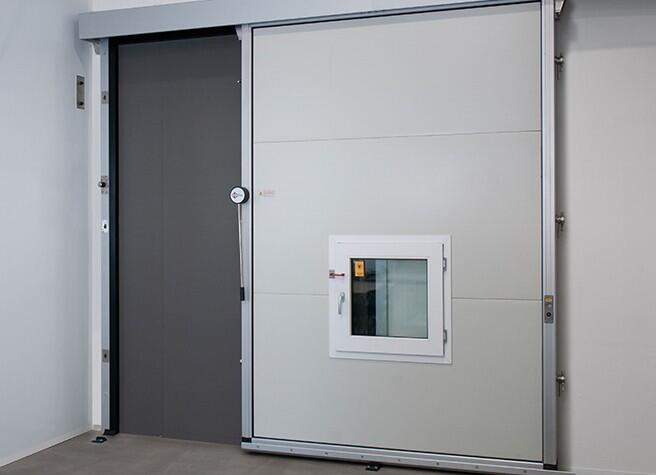
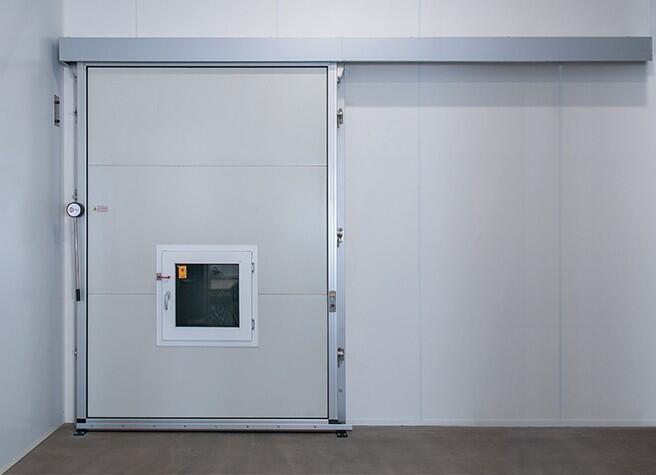


Metaflex CA Door
- Airtight and gastight sealing
- Suitable for temperatures from 0°C
- Including gastight hatch with window
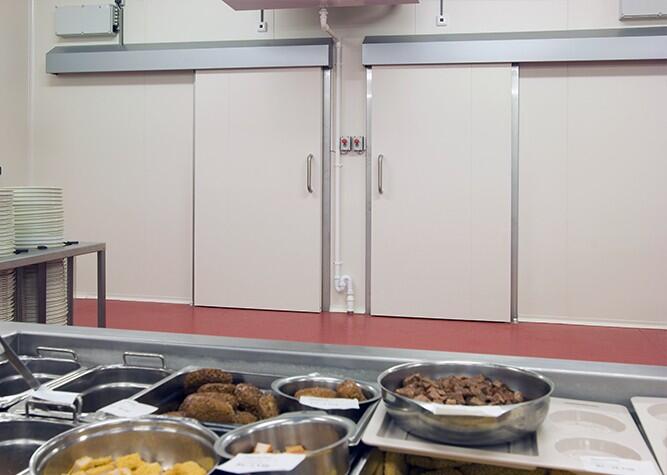
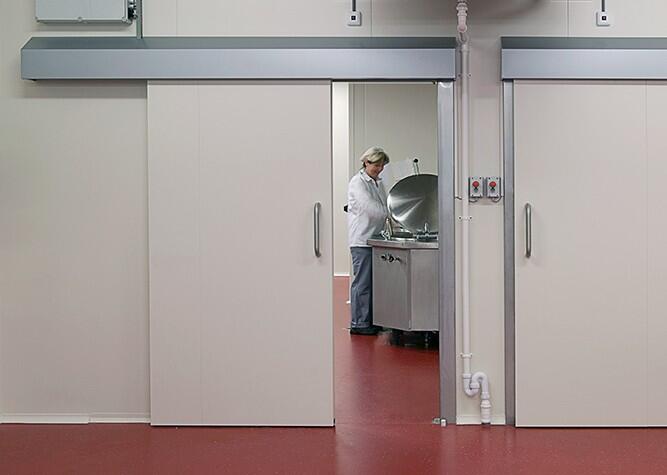
Metaflex Foodcare Chiller
- Airtight seal
- Maximum doorway 2 x 2.7 meters
- Suitable for temperatures from 0°C
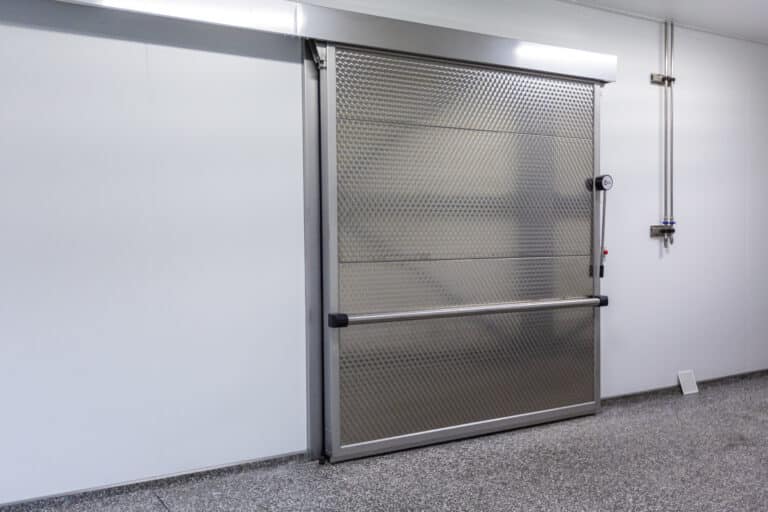
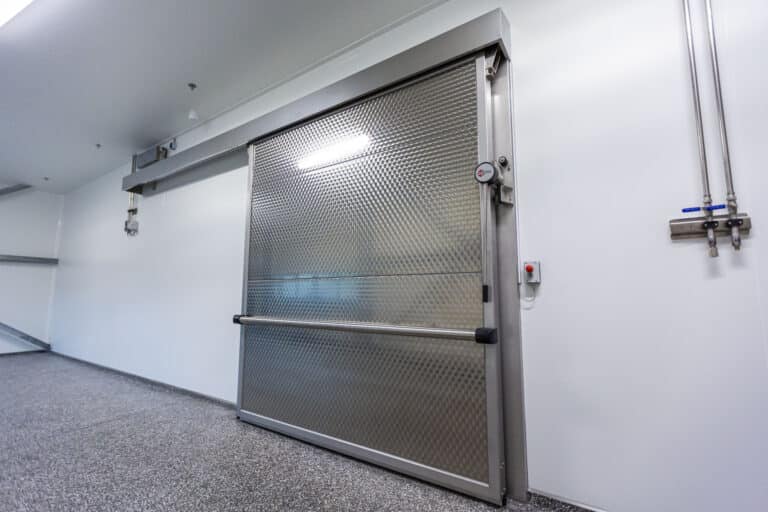
Metaflex Polaris Blast Freezer
- Maximum doorway 3.5 x 4 metres
- Larger can be tailor made
- Suitable for temperatures as low as -40°C
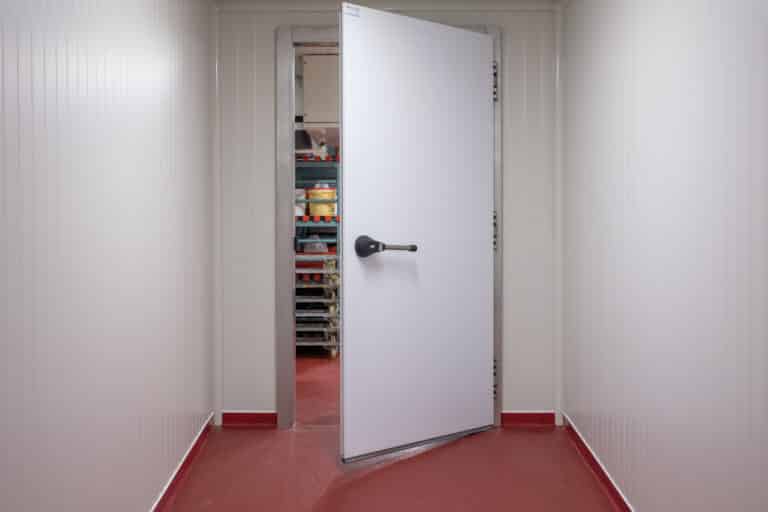
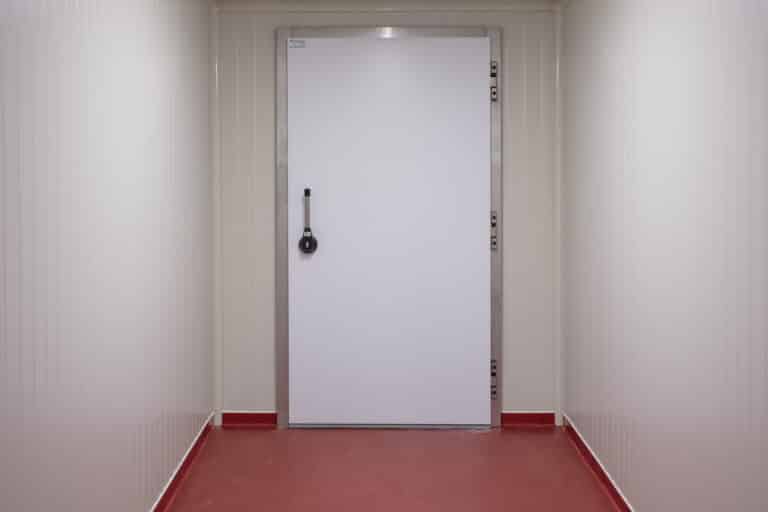
Metaflex KDM Chiller
- Hinged refrigerator door
- Completely smooth finishing
- Maximum doorway 1.3 x 2.3 meters
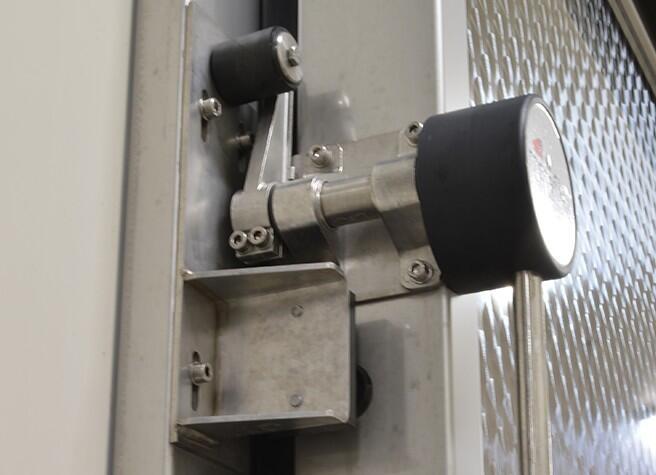
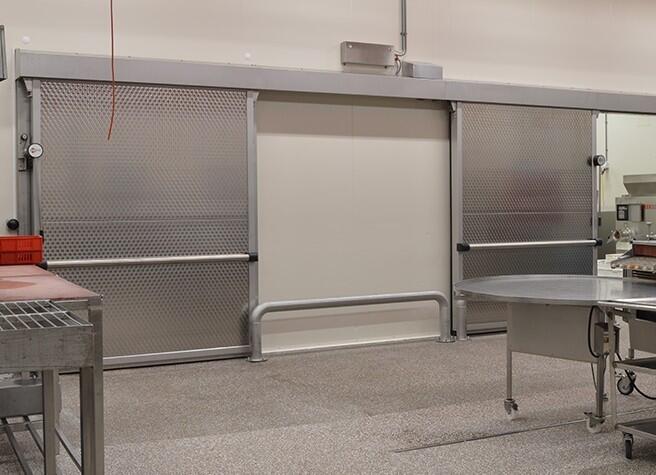
Metaflex Polaris Freezer
- Maximum doorway 3.5 x 4 metres
- Larger can be tailor made
- Suitable for temperatures as low as -25°
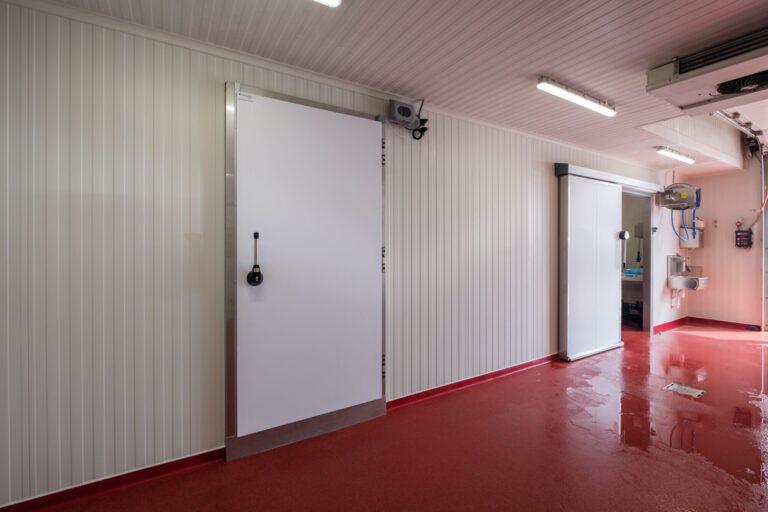
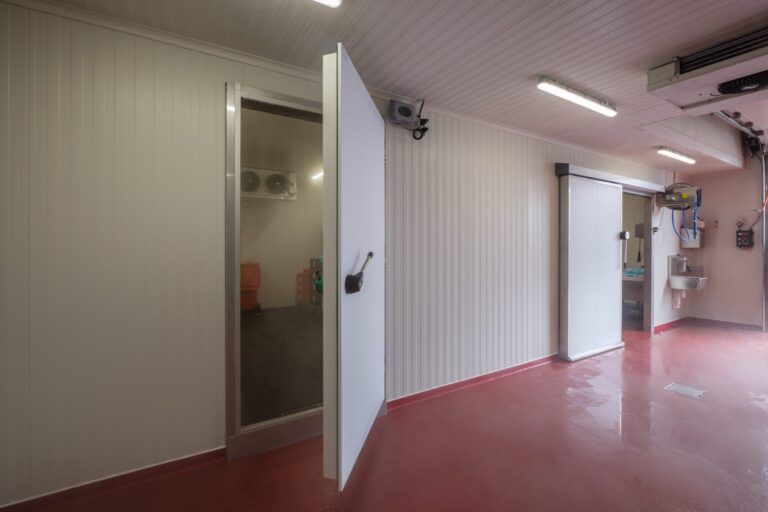
Metaflex VDM freezer
- Hinged freezer door
- Completely smooth finishing
- Suitable for temperatures as low as -25°C
Blog posts
Refrigeration technician & contractor: ROI of doors
20 Jul 2021

How refrigeration and freezer doors can be worth the investment
20 Jul 2021
